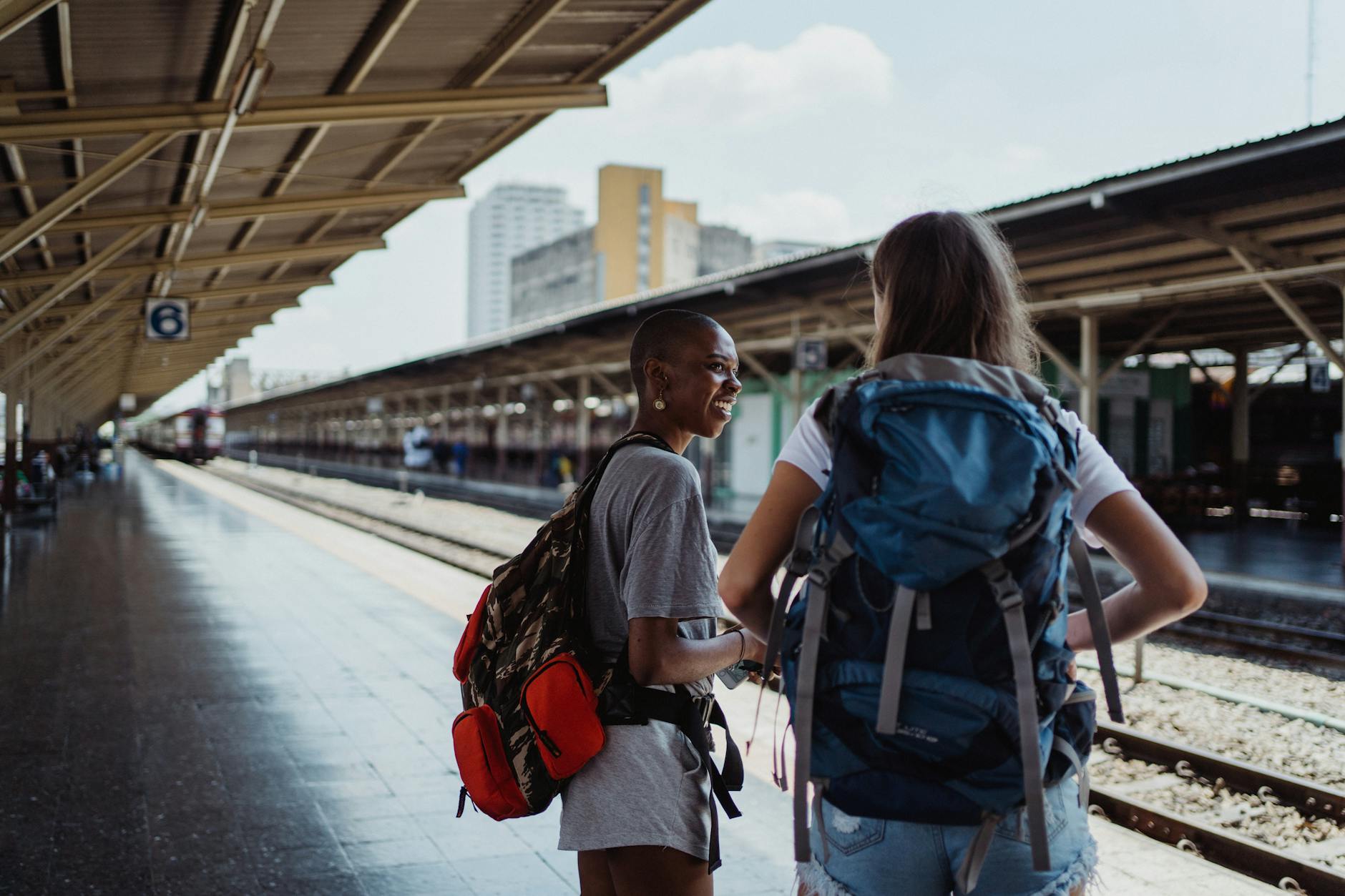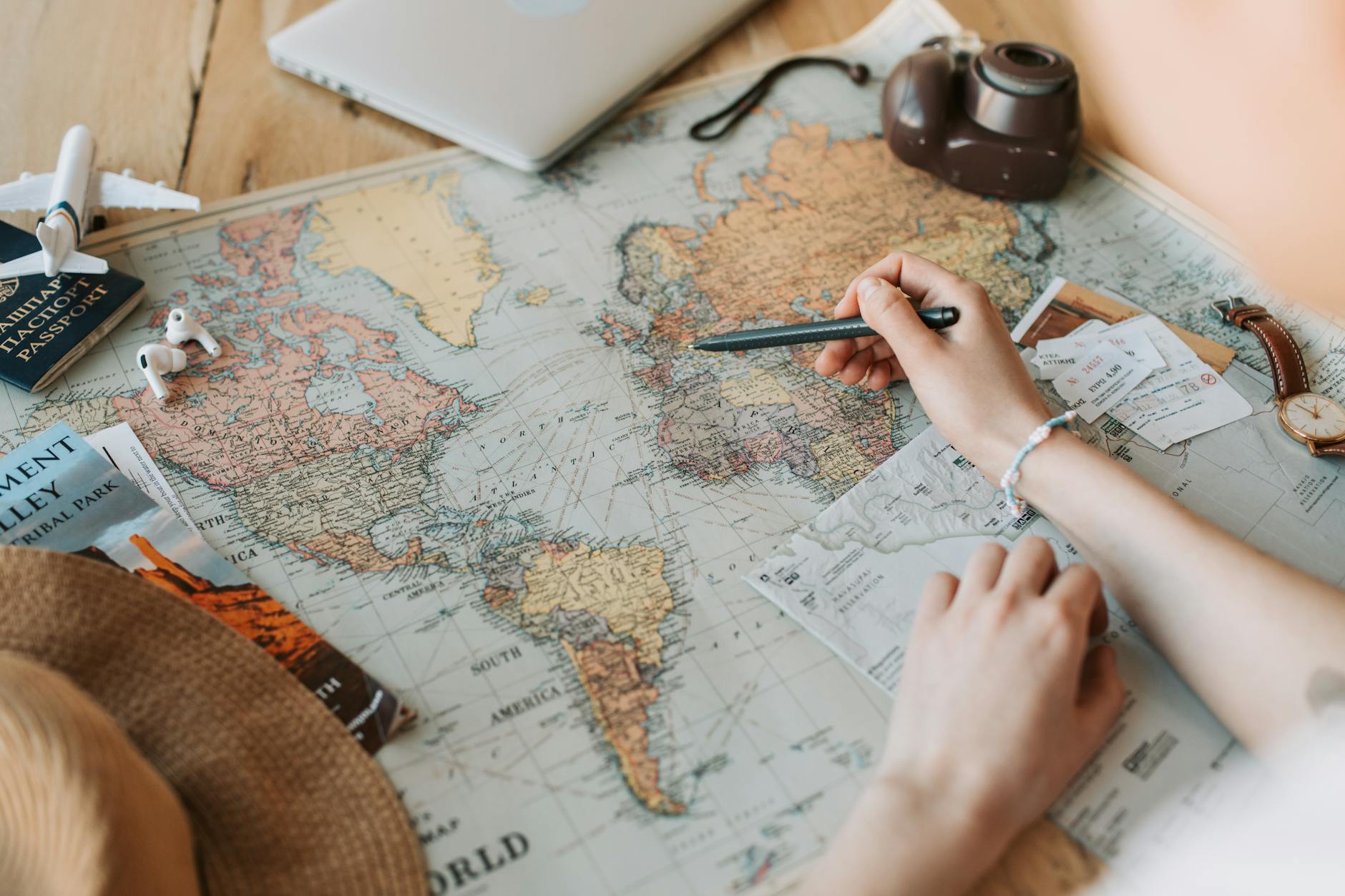
There is a measurable difference between cities where you meet people and cities where you meet the right people. If you have ever spent two weeks in a beautiful place and felt oddly isolated, you already know the distinction. Finding a travel partner is not just about showing up somewhere busy — it depends on the traveler density, the social infrastructure, and whether the local scene rewards conversation or rewards keeping to yourself. This guide breaks down the cities that consistently deliver, region by region, with enough context to help you decide where to go based on your actual travel style.
What Makes a City Good for Meeting Travel Partners?
Before looking at specific cities, it helps to understand the variables. A city can be popular and still be terrible for meeting people — think resort towns where everyone pairs off inside their hotel, or capitals where the tourist trail is so compressed that you cycle through the same conversations about flights and hostels without ever going deeper.
The cities that work tend to share a few characteristics: they have neighborhoods where travelers and locals genuinely mix (not just tourist zones), they have a critical mass of long-term visitors who stay for weeks rather than days, and they have social rituals — a cooking class culture, a language exchange scene, a coworking community — that give people a reason to meet repeatedly rather than once.
Volume matters too, but not in the way most people assume. The cities with the most tourists are not the cities with the most travel partner connections. What you actually need is density of the right kind of traveler: people who are staying long enough to build a social routine, who are interested in the place rather than just the photos, and who are open to connection as a feature of the trip rather than an interruption of it.
Asia: The Cities That Reward Long Stays
Chiang Mai, Thailand
Chiang Mai does not have the density of Bangkok, but it has something more useful for finding a travel partner: a cohort of people who stay. The digital nomad population here is large enough that a few weeks at a coworking space or attending a Sunday market introduces you to a stable social network. The city has walking streets, temples, cooking schools, and a coffee shop culture that makes repeat encounters easy. If you are looking for someone to join you for a trek in the north or onward travel into Laos, this is one of the highest-probability environments in Asia.
The practical logistics work in your favor too. Chiang Mai is compact enough to run into the same people across different contexts — the café where you work in the morning, the climbing gym in the afternoon, the night market in the evening. That kind of ambient overlap is exactly how casual acquaintances become genuine travel partners. The city's popularity with long-term visitors rather than pure tourists means the social environment rewards staying rather than moving on after three days.
Bali (Canggu and Ubud), Indonesia
Bali works differently depending on which part you are in. Ubud attracts a wellness-oriented crowd — yoga retreats, meditation centers, raw food cafés — which creates an environment where vulnerability is normal and conversations go deep fast. Canggu skews younger and more active, with surf culture, beach clubs, and a dense startup-adjacent social scene. The trade-off is that Bali attracts people who are on Instagram-ready vacations as much as it attracts genuine travelers, so calibrating expectations matters. That said, the sheer volume of long-term visitors means the odds are in your favor if you put yourself in communal spaces consistently.
One Bali-specific dynamic worth knowing: the coliving and coworking ecosystem is more developed here than almost anywhere else in Asia. Spaces like Dojo in Canggu and Outpost in Ubud host regular social events specifically designed to connect the community. Showing up to these — rather than just booking a desk and keeping headphones in — is the difference between meeting people and just being around people.
Tbilisi, Georgia
Tbilisi has emerged over the last five years as a sleeper hit for people who want to travel somewhere genuinely interesting without paying European prices. The result is a self-selected traveler population — people who do research, take risks, and care about going somewhere with texture. The bar and café scene in the old city is social by default, and the wine culture (Georgia claims to have invented the stuff, and the claim is hard to dispute) means evenings often turn into long, honest conversations. If you are looking for a travel partner with opinions, Tbilisi is overdelivering right now.
Europe: Where Infrastructure Meets Openness
Lisbon, Portugal
Lisbon has spent the last decade absorbing a wave of remote workers and long-term visitors, and the city has adjusted well. There are coworking spaces in nearly every neighborhood, a hostel culture that attracts travelers in their late twenties and thirties (not just students), and a café scene built for lingering. The language is a mild barrier — most locals in the center speak English — but the city's layout encourages walking, which creates the kind of casual encounters that lead somewhere. Sintra day trips, the Alentejo for a weekend, surf lessons in Cascais: Lisbon is surrounded by easy shared excursions that are natural first steps toward finding a travel partner.
The price point matters too. Lisbon is no longer cheap by European standards, but it remains more accessible than Paris, Amsterdam, or Copenhagen, which keeps the traveler population diverse in terms of age, background, and budget. That diversity produces a richer social environment than cities where the traveler profile is narrower.
Sarajevo and Kotor in the Balkans
The Balkans reward effort. Sarajevo has a complicated, fascinating history, an underrated food scene, and a traveler base that skews toward people who read before they go. Kotor in Montenegro is smaller and more concentrated — you will see the same faces for days in a walled city that takes twenty minutes to walk across. Both cities have lower traveler volume than Western Europe, but the quality of connection is higher precisely because you are not fighting through crowds of people who are treating the city as a checklist item.
Budapest, Hungary
Budapest sits at a crossroads between Western and Eastern European travel circuits, which means it gets a diverse mix of travelers. The ruin bar culture is genuinely social — these are spaces designed for strangers to talk, not for people to perform exclusivity — and the thermal bath circuit creates a relaxed, gender-neutral environment for casual encounters. The city also has a strong language exchange culture, which is one of the most reliable recurring formats for meeting locals who are curious about the world. If you want volume and variety in a single city, Budapest delivers more than most European cities at its price point.
Latin America: The Warmth Variable
Medellín, Colombia
Medellín has transformed its reputation decisively over the last fifteen years, and the international travel community noticed. The result is a large, engaged expat and long-term visitor population in neighborhoods like El Poblado and Laureles. Language exchanges, salsa classes, and food tours are the standard social entry points, and they work because Colombian social culture is genuinely warm — conversations start easily and invitations to continue the evening are common. The climate is a practical advantage: the "City of Eternal Spring" label is accurate, which means outdoor social life runs year-round without the planning overhead that weather-dependent cities require. The trade-off is that Medellín's popularity has made parts of El Poblado feel like a loop of the same expat bars. Laureles and Envigado offer a better balance of social life and local texture.
Mexico City, Mexico
Mexico City rewards people who commit to it for at least three weeks. The city is vast — over 20 million people — and the neighborhoods are distinct enough that finding your scene takes time. But once you do, the density of creative professionals, international visitors, and curious locals in neighborhoods like Roma Norte and Condesa is exceptional. The food scene alone creates shared experiences that function as social currency — saying you went to a particular market or a specific mezcalería is the kind of common ground that starts conversations easily. Mexico City also has a strong short-term rental culture that places travelers in real neighborhoods rather than hotel corridors, which accelerates genuine connection faster than traditional accommodation.
Buenos Aires, Argentina
Buenos Aires is the Latin American city most oriented toward intellectual and cultural life, which shapes the kind of travel partner you are likely to meet there. Tango classes, independent theater, weekend markets, and a serious literary culture all create environments where people show up with something on their minds. The Argentine economic situation has made the city unusually affordable for travelers holding dollars or euros, which extends stays and increases the depth of connection possible when people are not rushing off to a cheaper destination. Palermo is the obvious base, but San Telmo has more texture for people who want something less polished and more genuinely Argentine.
Timing and Seasonality
The best city for finding a travel partner is often the best city at the right time. Chiang Mai's social scene peaks between November and February when weather is ideal and the nomad population is at its highest. Medellín is most comfortable April through June and August through October, avoiding the heaviest rain periods. Budapest and Lisbon work year-round but feel more genuine and less overrun in shoulder season — April through May and September through October — when the tourist volume drops but the social infrastructure remains fully active. Knowing the rhythms of a place means you are not arriving when the social environment is either overwhelmed by short-stay tourists or emptied by off-season departures.
What to Do Once You Arrive
The framework matters as much as the city. People who find travel partners consistently do a few things regardless of where they are: they choose accommodation with communal spaces rather than private rooms with locked doors, they sign up for recurring activities rather than one-off tours, and they extend their stay when something is working rather than sticking to an arbitrary original plan. The cities above are environments that make this easier — but the behavior has to accompany the location.
Some travelers use a platform like MyTripDate to identify who else is heading to the same destination in the same window — not as a replacement for organic in-person meeting, but as a way of seeding the ground before they arrive. Having one or two established connections before you land changes the social dynamic considerably: you are not starting from zero, and the people you meet on day one already have some context for who you are and why you are there.
Some of the most effective recurring formats for meeting compatible travel partners are ones that require a specific interest rather than just geographic proximity: a climbing gym, a language exchange, a photography walk, a weekly volunteer shift. The shared activity filters for compatible people more efficiently than a hostel bar, and the repetition creates the conditions for actual friendship rather than a single interesting conversation that goes nowhere.
Before You Land
MyTripDate is built around the insight that the best travel partner connections often start before you arrive. Rather than waiting to meet someone on the ground, the platform lets you connect with other travelers heading to the same city — agree on a coworking spot, plan a day trip together, or simply have one familiar face when you land. Filters by destination and travel dates mean you are connecting with people whose plans actually overlap with yours, not scrolling through profiles from the other side of the world. If Chiang Mai, Medellín, or Lisbon is on your list, there is almost certainly someone else planning the same trip who would welcome the connection before either of you arrives.