Your safety on MyTripDate matters to us — which is exactly why we want to talk openly about something nobody likes to discuss: romance scams.
Online romance scams have grown into one of the most damaging forms of fraud anywhere in the world. Reported losses in the United States alone exceeded a billion dollars in the last reporting year, and most victims never report at all. The story is the same in every region. Lonely or hopeful people are approached by attractive strangers online, drawn into an intense emotional bond very quickly, and eventually asked for money — often again and again, until either the money or the willingness runs out. This is not about any one country, gender or community. Scammers operate from everywhere and target anyone. The good news is that scams follow patterns, and once you know the patterns, they lose most of their power.
What a romance scam actually looks like
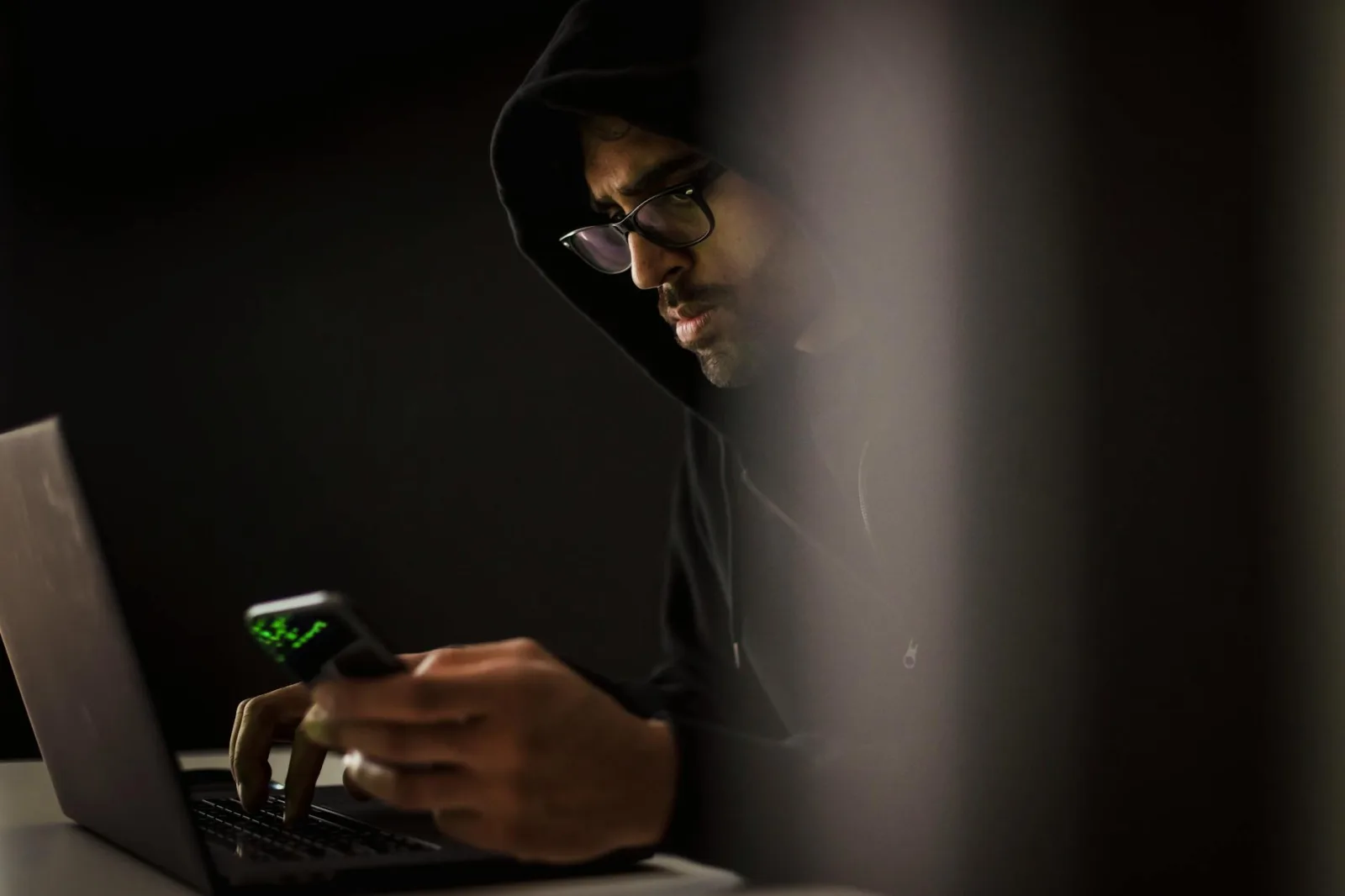
A romance scam is a fraud built around a fake relationship. The scammer creates an attractive profile, often claiming a sympathy-generating situation — a recent widow, a soldier deployed abroad, a doctor on a remote mission, a successful professional who is "just lonely." They open with warmth, intensity, and an almost uncanny ability to listen to you. They mirror your interests. They make you feel rare. Within days or a few weeks they will tell you they love you. And then, eventually, something happens that requires money: a customs fee, a medical bill, a flight they cannot afford, a business deal that needs to be "unlocked." The amount is small at first. Once you pay, the situation deteriorates and the asks grow. The scam ends when you run out of money or finally refuse. It never ends because the relationship naturally concludes.
The most common red flags
The patterns repeat. Most romance scammers will do several of the following:
- Refuse video calls, or always have a "broken camera" or poor connection
- Move very fast to deep emotional declarations ("you are the one", "I have never felt this", "I love you" within days)
- Use profile photos that look too professional or model-like — a reverse image search often reveals them stolen from elsewhere on the internet
- Never quite be available to meet in person — always a delayed flight, a sudden project, an emergency
- Build a backstory designed for sympathy (recent loss, a sick child, a dangerous job abroad, a sudden financial crisis just before you met)
- Eventually ask for money — small at first, then larger; for travel, customs, hospital bills, or to "release" funds they claim to have
- Push the conversation off-platform quickly — to WhatsApp, Telegram or email — away from any moderation or verification system
One of these alone is rarely conclusive. Several together is a serious warning.
Why online daters and travelers are especially targeted
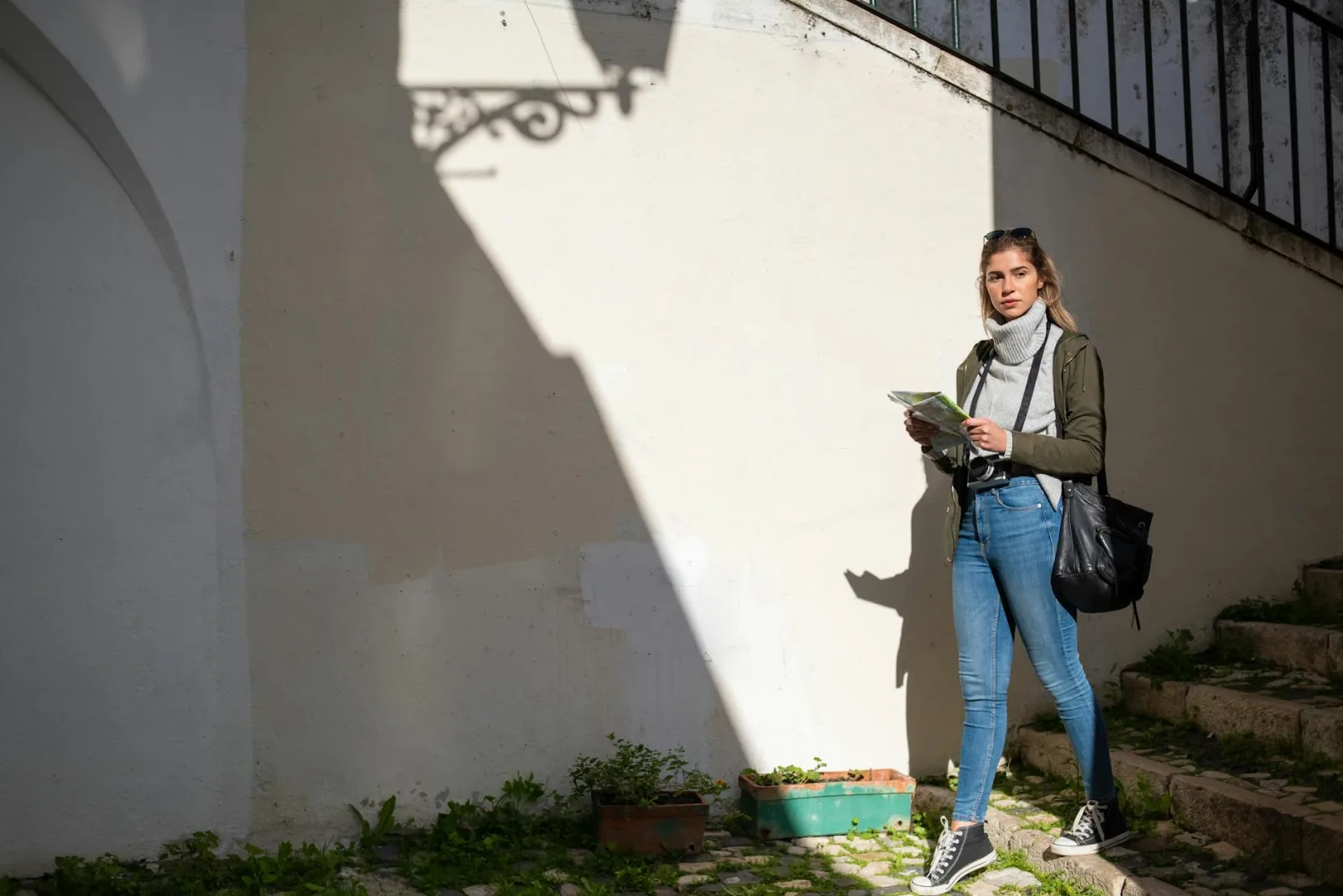
Travelers and people meeting partners online are valuable targets for one structural reason: the relationship not being in person is normal. A scammer pretending to be a teacher abroad, an engineer on a long project, or a traveler currently in another city fits perfectly into a context where distance is expected. That same distance lets the fiction continue indefinitely. Anyone open to meeting people while travelling, or in the early weeks of a long-distance connection, is exactly where scammers fish — not because of any naivety, but because the format is convenient for them.
Why scams actually work — the "love bombing" trap
Romance scams do not work on stupid people. They work on lonely people, hopeful people, recently divorced or bereaved people — anyone in a state where being seen and adored feels healing. Scammers know this and apply love bombing very deliberately: excessive attention, constant messages, dramatic declarations of love far before the real timeline of a real relationship. It feels overwhelming and wonderful at the same time. By the time the first financial request appears, the victim is already emotionally invested and looking for reasons to say yes. Recognising love bombing as a technique — not as romance — is half of the protection.
How verification protects you
The single most effective barrier against romance scams is identity verification. A profile that has been checked by the platform — real person, real photo, identity confirmed — cannot easily be a fake. That is why MyTripDate puts verification at the centre of how the platform works, rather than treating it as an optional extra. Our launch perks — one year of Gold membership for early members and lifetime Founders status for a limited group — are available only to verified members. This is not just a marketing detail; it is the design choice that lets us stand behind every profile you see. Wherever you meet people online, prefer platforms that verify identity, not just an email address.
What to do if you suspect a scam
If something feels off, you do not need certainty before acting. Stop sending money immediately, even if the request sounds urgent — a genuine person will understand. Reverse-image search the profile photos with Google Images or TinEye; stolen photos are extremely common. Ask for a live video call now, not later; real people do video calls. Tell a trusted friend or family member and let them read the conversation; outside eyes spot the patterns almost instantly. If you have already sent money, report it to your bank — chargebacks are sometimes possible — and to your country's cybercrime unit. And do not blame yourself. Romance scammers are professionals who do this full-time. Walking away, whether early or late, is always the right call.
Stay open, stay protected
Romance scams are common enough that pretending they do not exist is naive, but they are not common enough to make trust the wrong default. Knowing the pattern, choosing a verified platform, asking for video calls early, and being careful with money are not signs of cynicism — they are exactly what allow you to keep meeting new people without losing what you cannot afford to lose. Travel, meet people, fall in love. Just do it with your eyes open and on a platform that has your back.